Queensland – A Road Trip Along Australia’s East Coast
One of the most beautiful journeys you can take in Australia is a road trip from Byron Bay to Cairns in the state of Queensland. The route begins just south of the state border in northern New South Wales and ends in tropical Far North Queensland. Stretching over more than 1,700 kilometres, it follows Australia’s east coast and passes surf towns, island gateways, national parks and quieter coastal sections. The result is a well-balanced mix of nature, beaches and relaxed coastal towns.
In my opinion, having your own means of transport is essential for this trip, as many places can only be reached by car or camper. It also gives you the greatest flexibility. Ideally, you travel with a campervan, as it allows you to stay spontaneous and adapt your pace along the way. Some places invite you to linger — such as the Sunshine Coast or the Whitsundays — while others are better suited to shorter stops along the route.
Ideally, you should start your road trip in Gold Coast or Cairns, both of which have international airports. Rental cars or campervans can usually be booked as a one-way rental for a small additional fee, which is highly recommended — especially if you’re short on time and don’t want to drive the entire route back. Given the long distances involved, it’s also advisable not to skip full insurance coverage.
From Byron Bay into Queensland
Byron Bay is an ideal starting point for an east coast road trip. The town is known for its surf beaches, coastal walks and relaxed atmosphere. One to two days are more than enough to get a feel for the place.
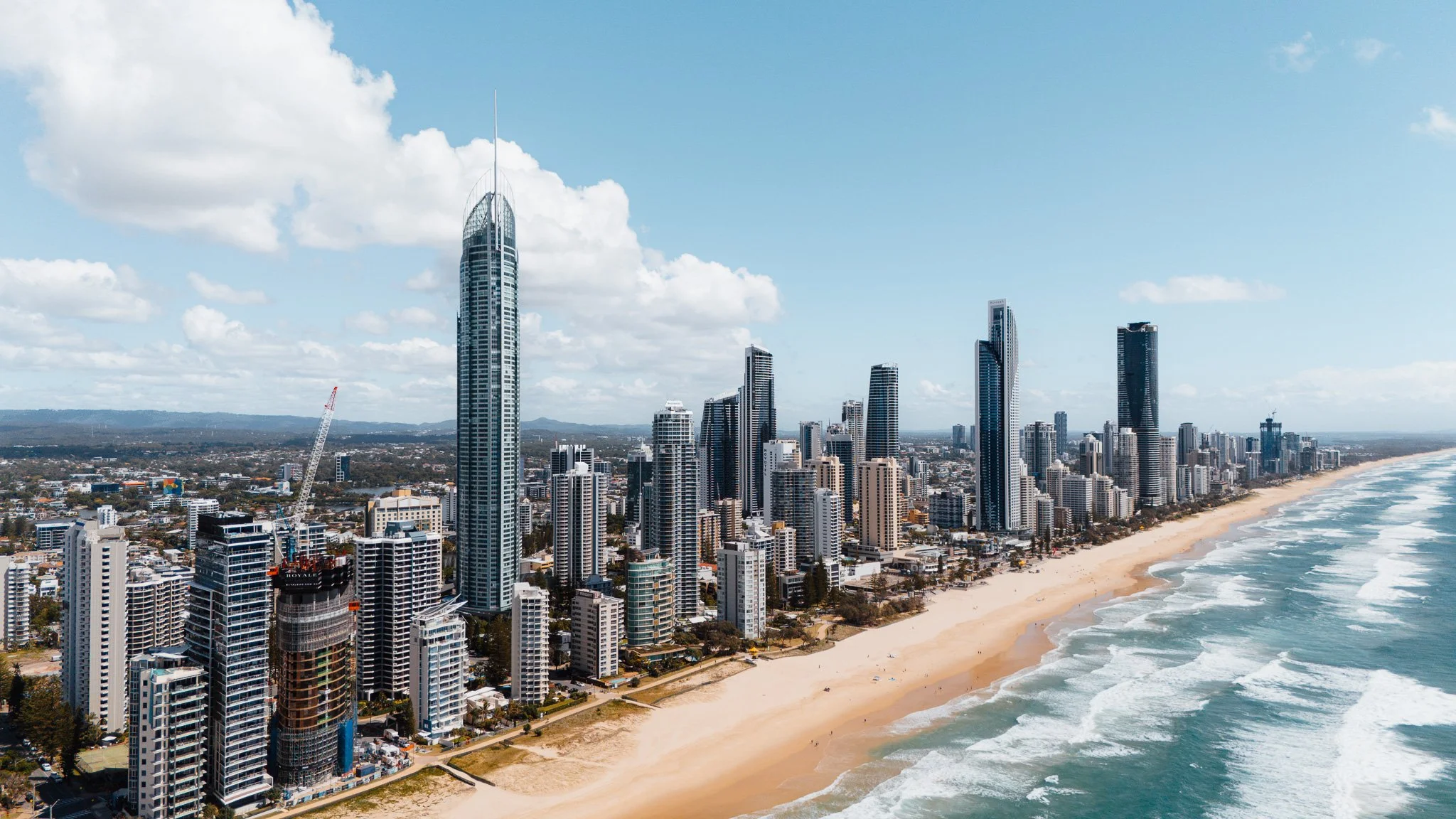
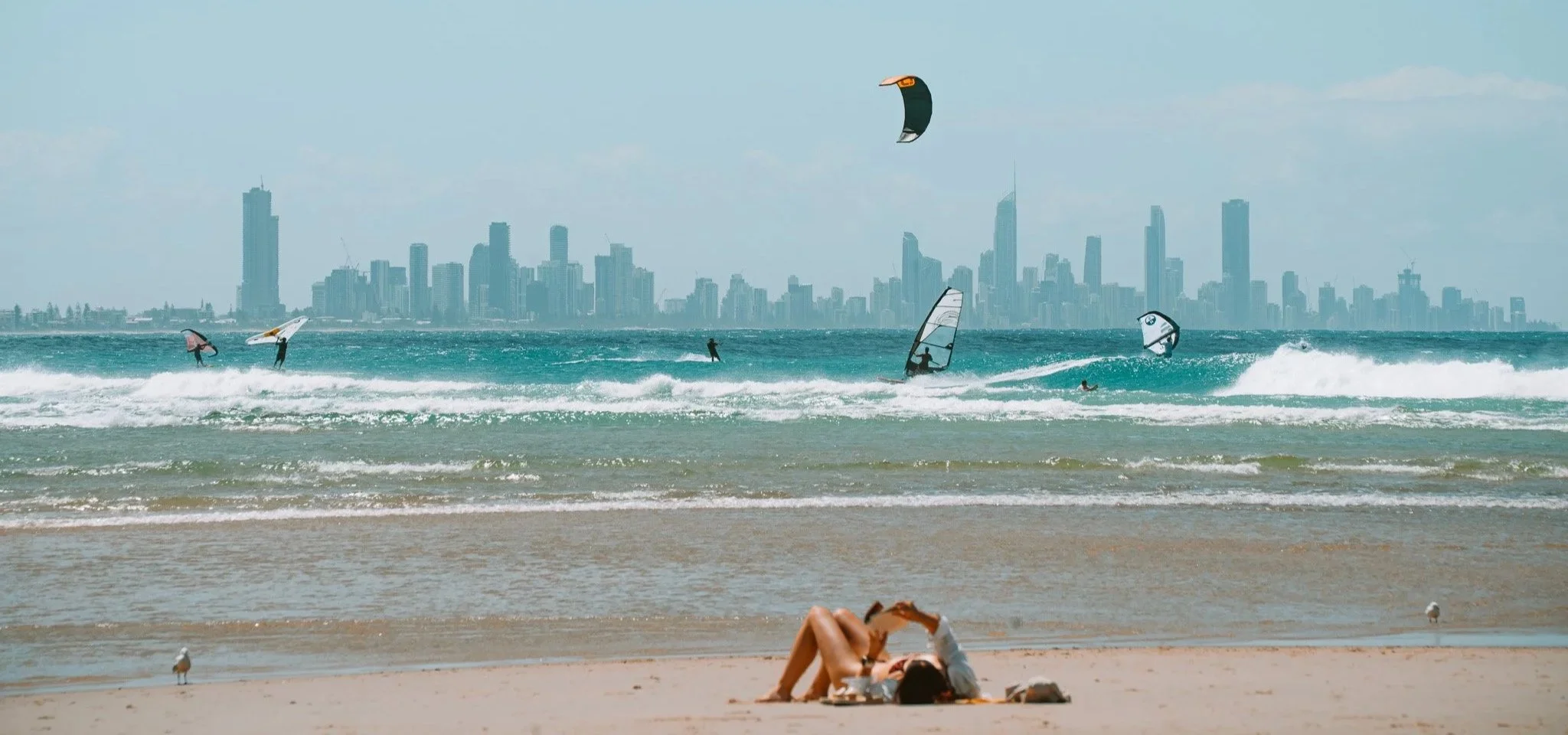
After crossing the state border, the landscape around the Gold Coast becomes noticeably more urban. Long beaches, well-known surf spots and a distinctive skyline define this stretch of coast. While a longer stay isn’t essential, it’s worth considering if you’d like to explore not only the city but also the hinterland, with its rainforests and national parks.
A few hours later, you reach Brisbane, the capital of Queensland. Set along a winding river, the city combines generous green spaces with a lively food scene. Brisbane works well as a short stop to break up the drive north — the botanical gardens, for example, are a great place to stretch your legs.
Sunshine Coast, Noosa and K’gari
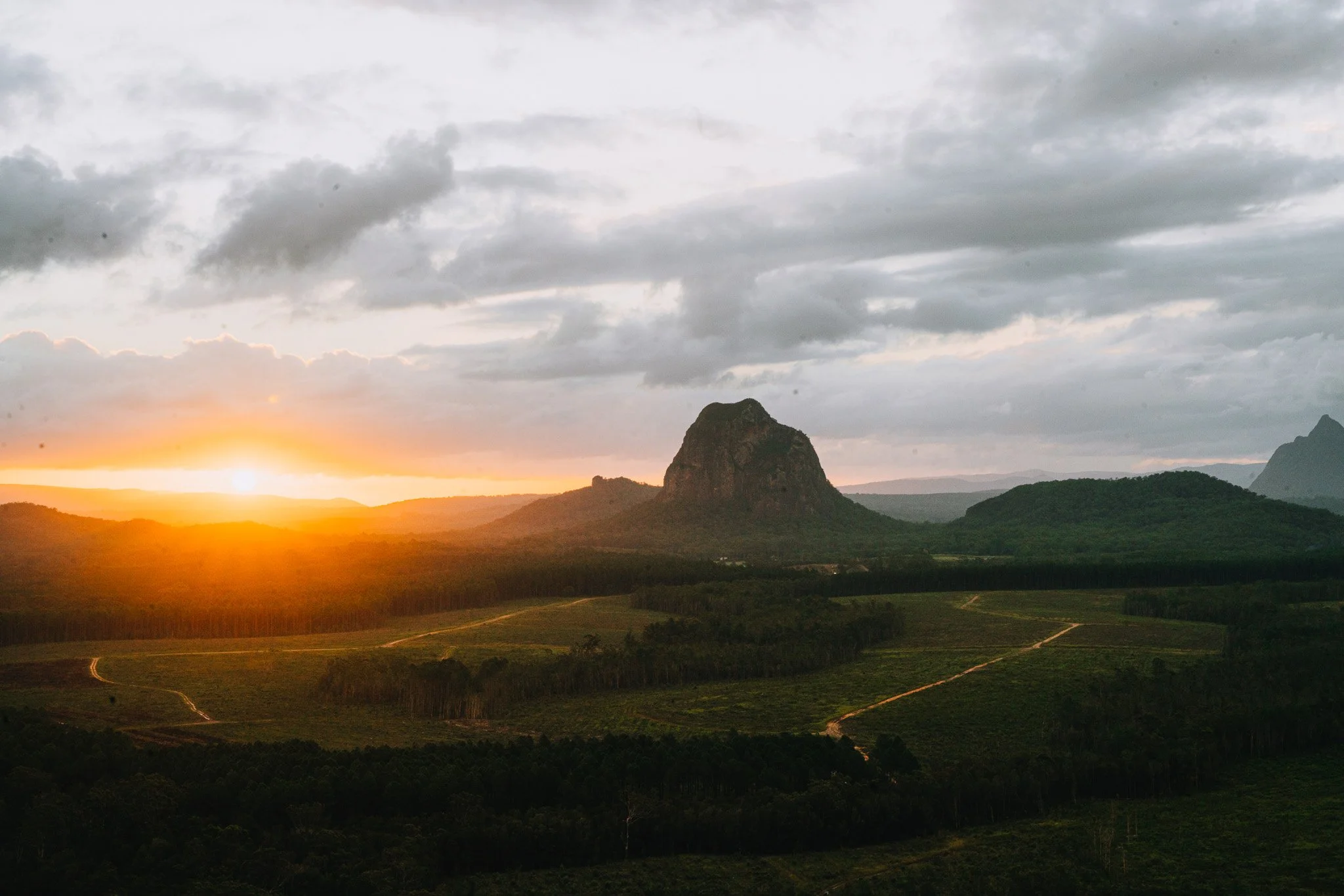
North of Brisbane, the pace noticeably slows. The Sunshine Coast is one of the most appealing sections of the journey, and many travellers choose to spend several days here. Noosa, in particular, stands out for its coastal walks through the national park, sheltered beaches and rich wildlife. The Sunshine Coast is also home to the impressive Glass House Mountains, Australia Zoo, and many world-class beaches that are well worth visiting.
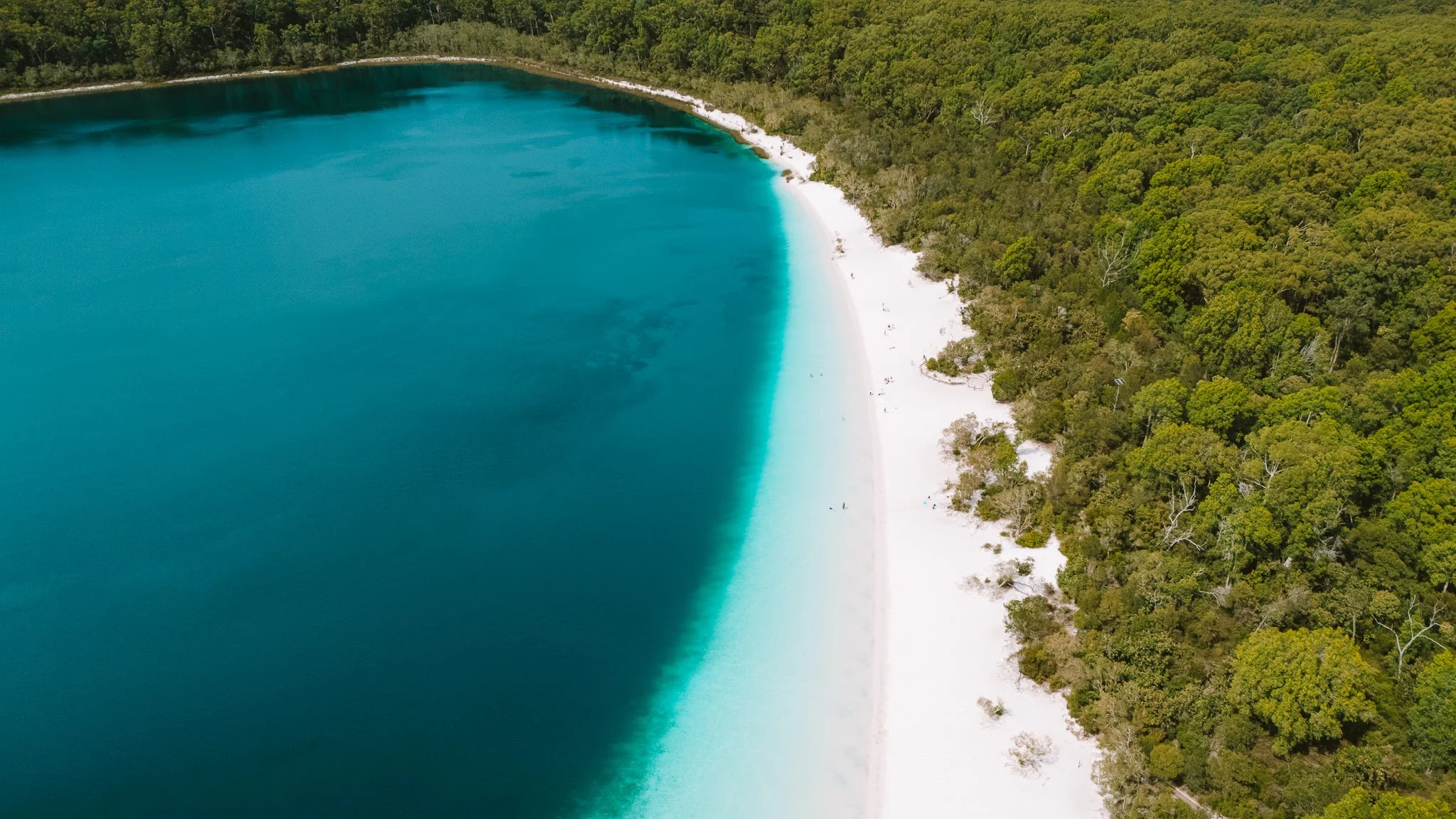
Further north lies K’gari (Fraser Island), the world’s largest sand island. It can be reached by ferry and requires a four-wheel-drive vehicle or a guided tour. Endless beaches, freshwater lakes and rainforest growing directly from sand dunes define the landscape. The beach on the eastern side of the island even functions as a registered highway. K’gari is one of the most extraordinary landscapes along the entire route and absolutely worth the extra effort.
Quieter Coastal Stops
The further north you travel, the quieter the coastline becomes. Agnes Water and 1770 offer relaxed beaches and are ideal places to pause and slow down. As this region lies at the southern end of the Great Barrier Reef, a day trip to one of the nearby islands is highly recommended.
We visited Lady Musgrave Island from Agnes Water and went on a snorkelling tour there. Lady Musgrave Island is the only island in this coastal section with a navigable lagoon accessible by boat. If you’d like to visit other islands such as Lady Elliot Island or Heron Island, you’ll need to fly there, which comes at a higher cost.
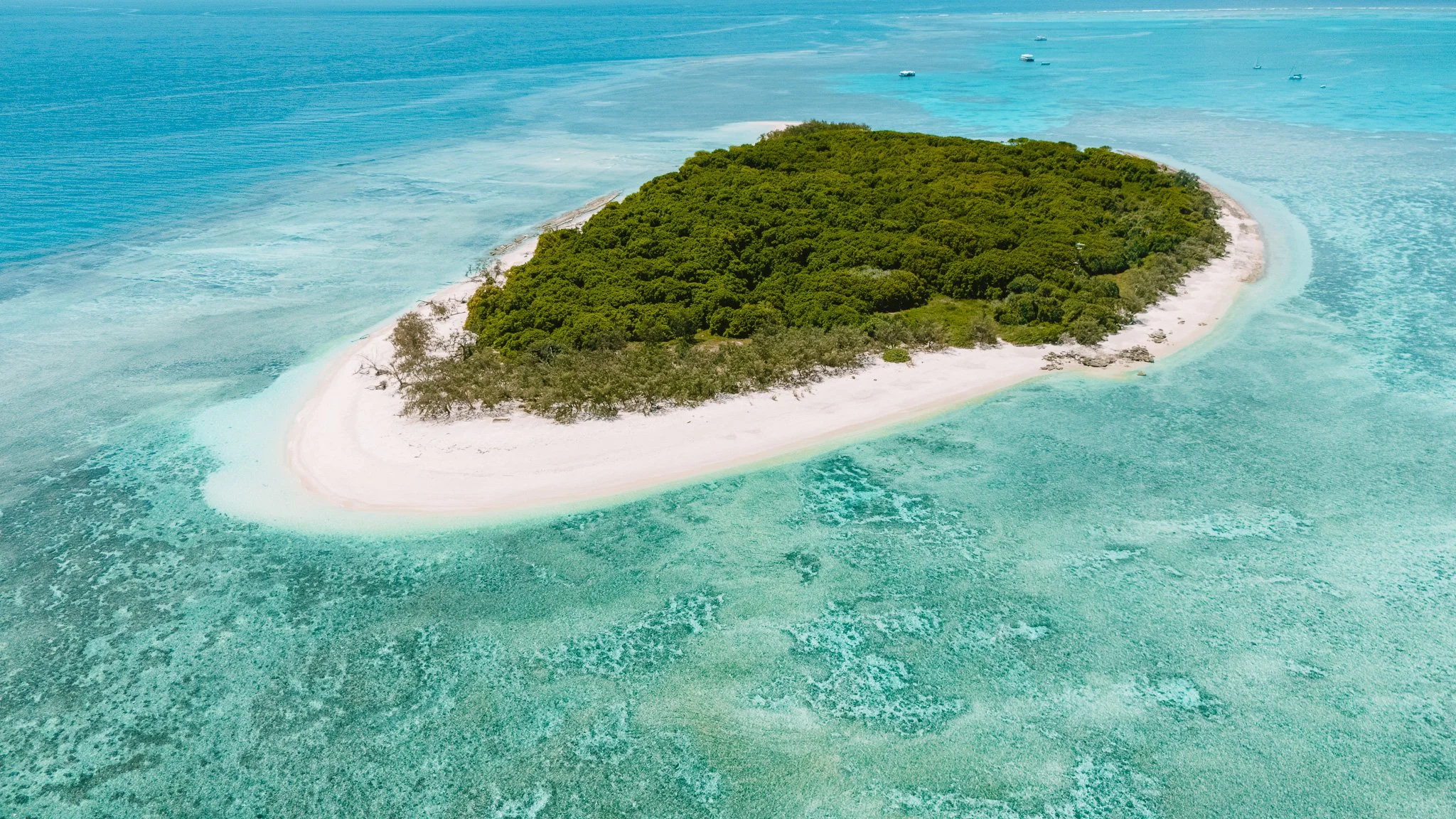
Close to Agnes Water lies Yeppoon, which serves as the gateway to Great Keppel Island. The island is known for its clear water, good snorkelling conditions and uncrowded beaches. This part of the journey is particularly well suited to travellers looking for a quieter alternative to more famous island destinations.
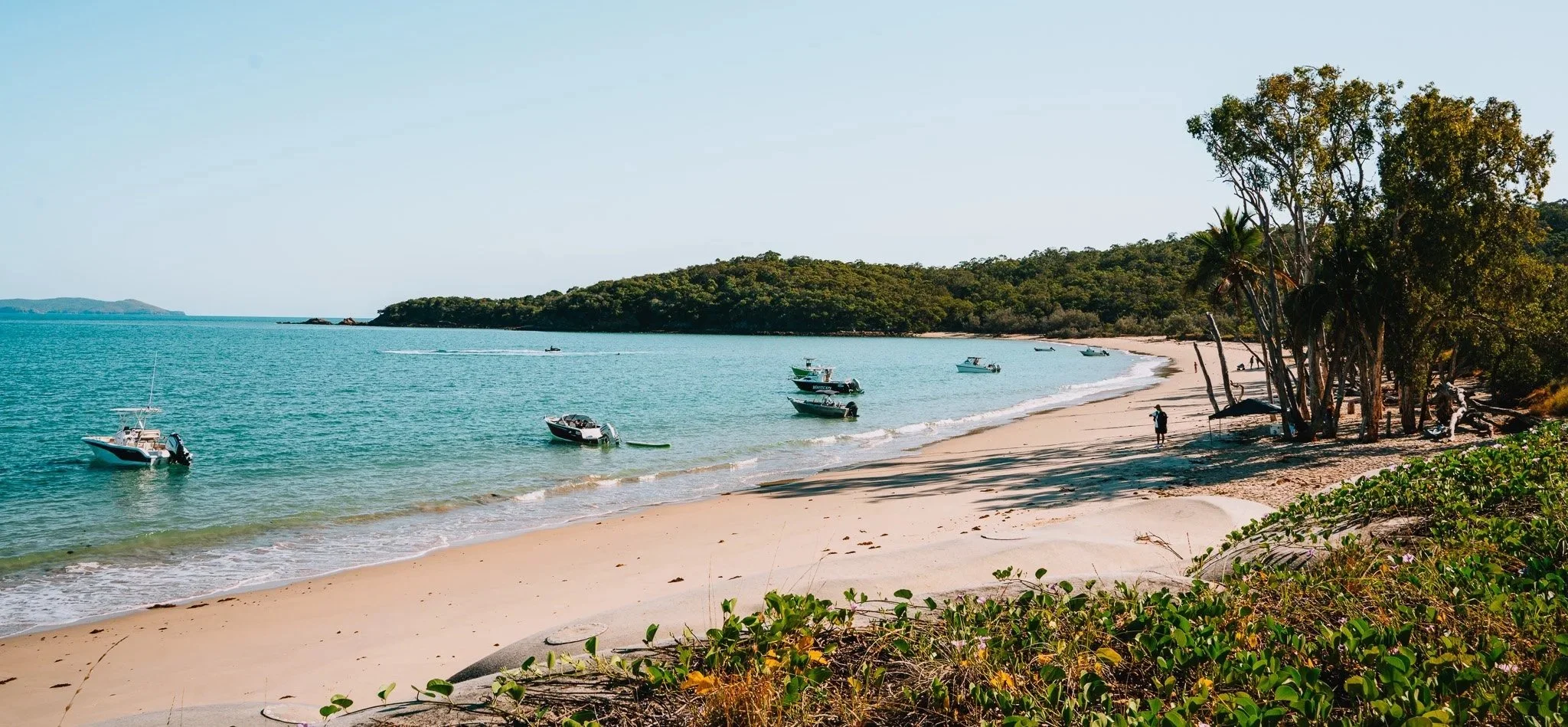
The Whitsundays and North Queensland
The route continues to Airlie Beach, the main access point to the Whitsunday Islands. From here, sailing trips, island stays and visits to the famous Whitehaven Beach are among the highlights of the journey. Hamilton Island is one of the most popular resort islands and also has its own airport.

A scenic flight over the Whitsundays and the Great Barrier Reef is an absolute highlight!
Further north, just off the coast near Townsville, lies Magnetic Island. The island is known for its walking tracks, quiet bays and resident koala population.
Mission Beach marks the transition into Far North Queensland. With rainforest at its back and wide, open beaches in front, it feels much quieter and less developed than Cairns. It’s often used as the final coastal stop before heading inland or further north.
The Atherton Tablelands

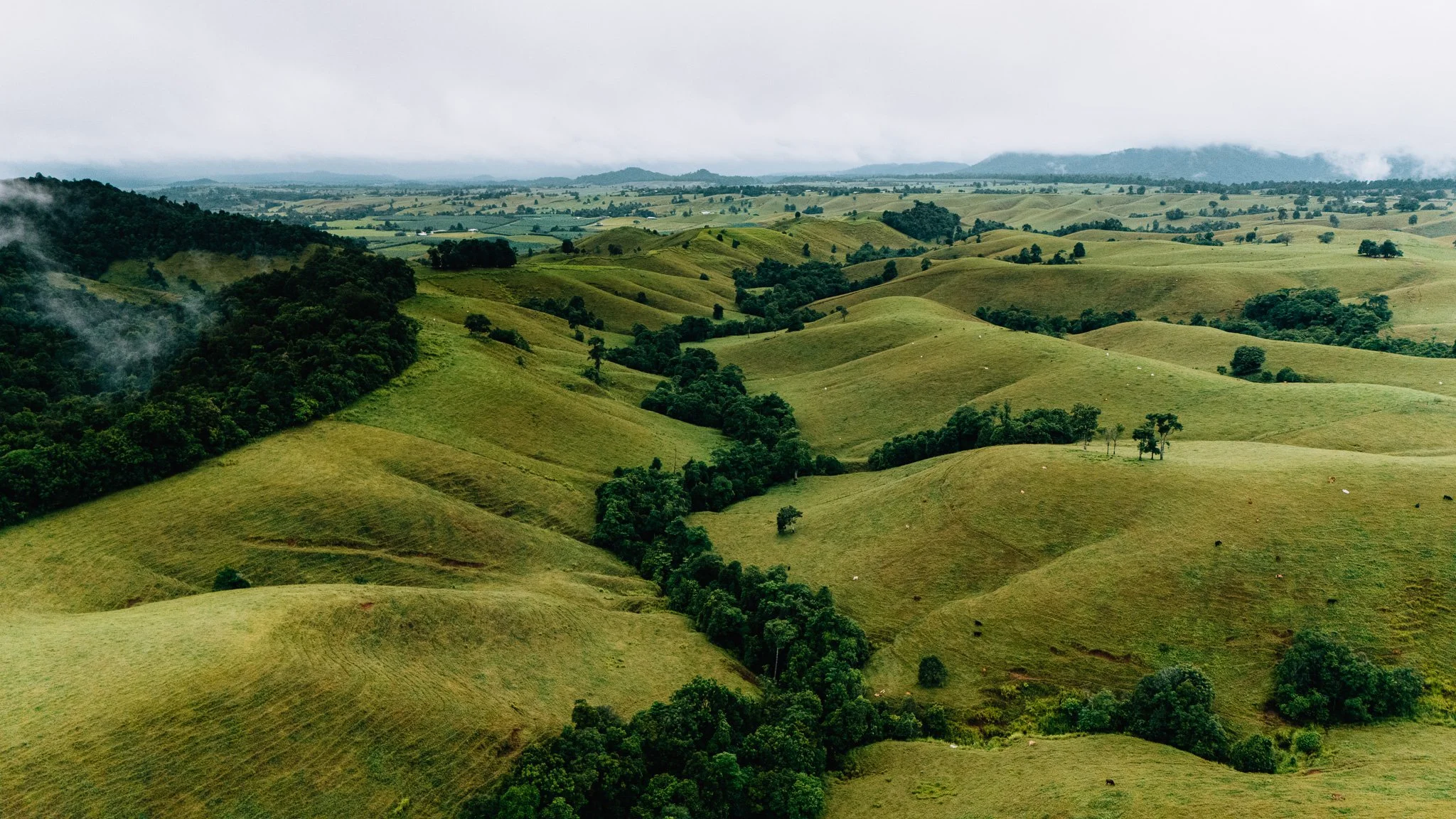
Before reaching the end of the journey, an inland detour to the Atherton Tablelands is well worth it. Cooler temperatures, waterfalls, crater lakes and rolling farmland provide a refreshing contrast to the coast. One to two days are ideal for exploring the region’s many waterfalls.
Some of the best ones include Millaa Millaa Falls, Elinjaa Falls and Zillie Falls, which are easy to reach and are all on the Waterfall Circuit Tourist Drive.
Cairns
The road trip ends in Cairns, a compact tropical city and an important base for visiting the Great Barrier Reef and the Daintree Rainforest. Thanks to its international airport, Cairns is an ideal place to finish the journey.
Cairns itself offers plenty of highlights, including the Gondwana Rainforest, Kuranda Village and trips to Fitzroy Island. Spending several days here is highly recommended, especially as Cairns is also a great base for day trips further north — such as Port Douglas, Palm Cove and Cape Tribulation.

Gondwana Rainforest: take the cable car up to Kuranda and the historic train down to Cairns!
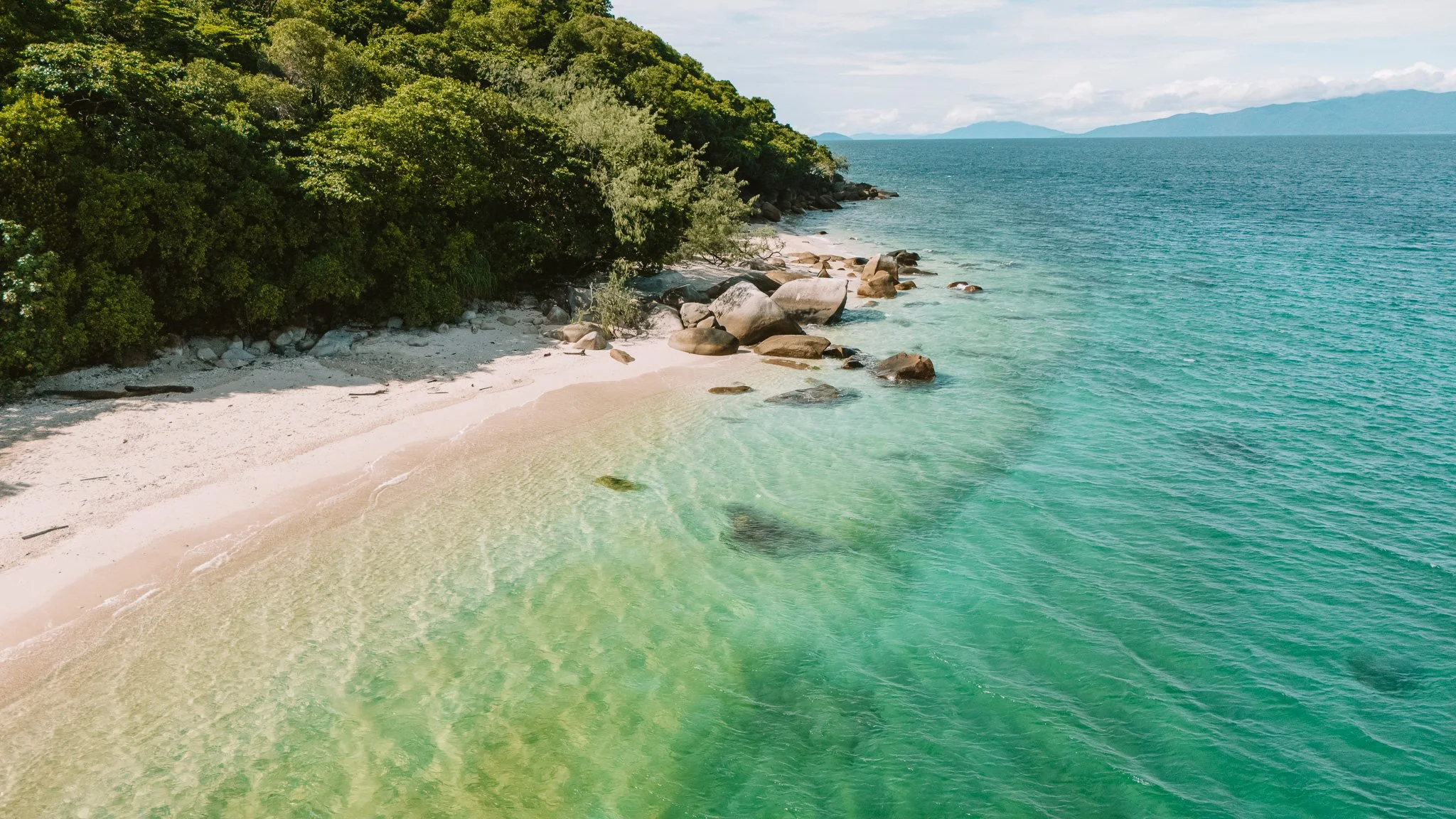
A 45-minute ferry ride from Cairns is this tropical island paradise: Fitzroy Island!
Port Douglas and Palm Cove are two particularly beautiful coastal towns that are quieter and more relaxed than Cairns. The drive from Cairns to Palm Cove is one of the most scenic in the region, with ocean views on one side and rainforest on the other.

Cape Tribulation
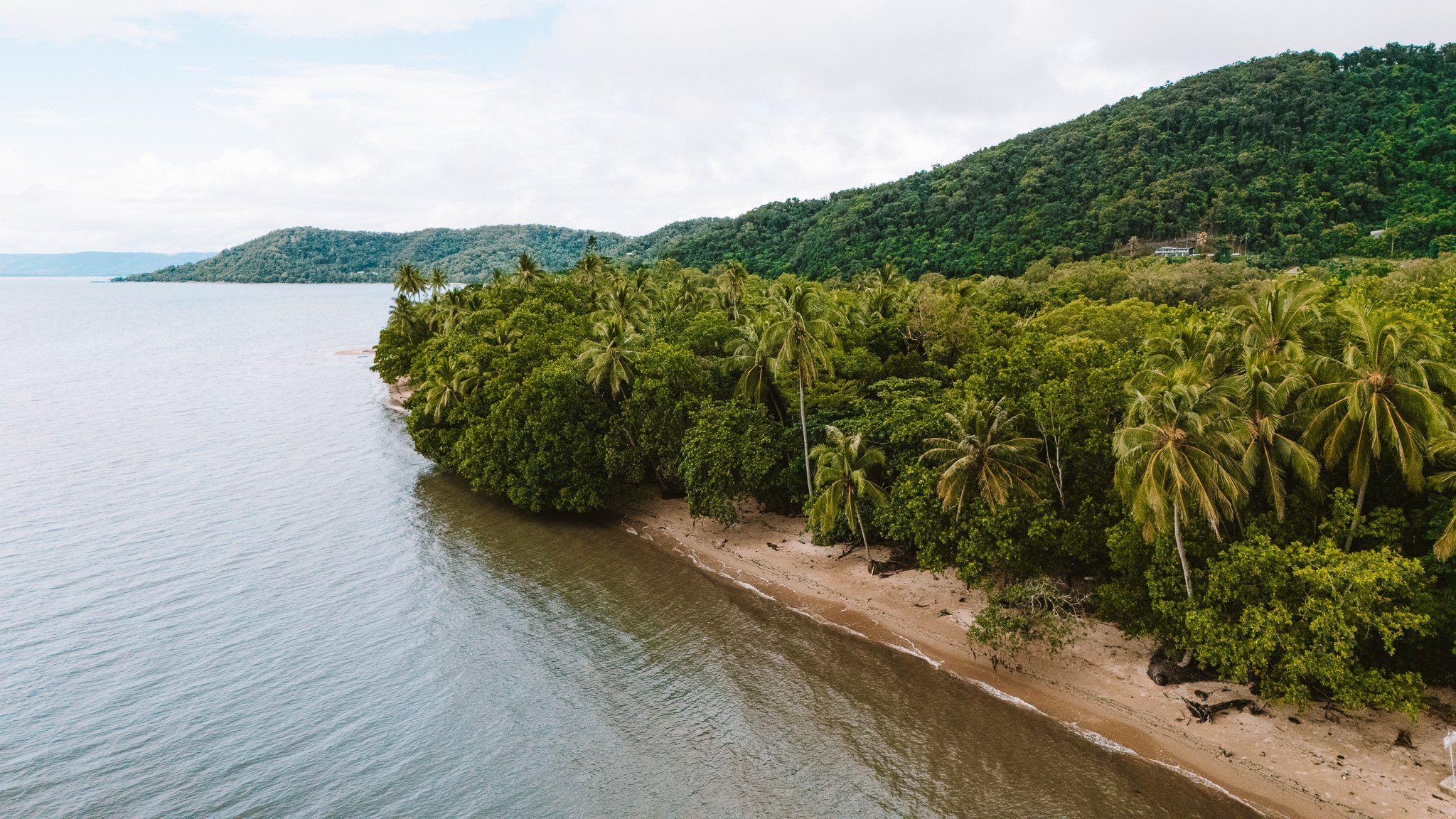
One of the most striking landscapes of the entire journey can be found at Cape Tribulation, where the ancient Daintree Rainforest meets the Coral Sea. It is one of the few places in the world where tropical rainforest and reef exist side by side and is considered by many to be the highlight of the entire road trip.
A day trip from Cairns is possible, but staying overnight in Palm Cove or Port Douglas is recommended, as it shortens the drive by around two hours.
How Much Time Should You Allow?
To experience this route without rushing, you should plan for three to five weeks. The exact duration depends on how much time you spend on island stops and inland detours — flexibility is key to enjoying Queensland’s east coast at its best.
