A Guide to Sylt, Germany
Sylt is Germany’s most famous island and often referred to as the German Hamptons. With an over 40km long sandy beach, protected national parks, charming villages, first-class restaurants and breathtaking sunsets, it’s an island you’ll want to return over and over again!
Here’s what you need to know before visiting this stunning island.

Best time to visit
The best time to visit Sylt is during the summer months from June to September, when temperatures are mild, beach clubs are open, and the island is full of life.
That said, Sylt is beautiful year-round: spring and autumn are perfect for long beach walks and wellness retreats, while winter offers a calm, cozy atmosphere with dramatic seascapes and fewer crowds.
How to get to Sylt
By Train:
Sylt is connected to mainland Germany via the Hindenburgdamm, a dam that can only be crossed by train. The most convenient option is traveling by train from Hamburg Central Station, with direct or connecting trains leaving approximately every hour.
By Plane:
Sylt can also be reached by plane from a few German cities such as Hamburg, Düsseldorf, or Munich. Flights tend to be expensive, so this option is usually less convenient unless booked well in advance.
By Car:
If you’d like to bring your car, you’ll need to take the car train (Autozug) from Niebüll, which runs regularly. Prices start at around €39.99 per car, depending on the season.
That said, I personally don’t find having a car very useful on the island. Distances are short, public transport works well, parking is limited (and rarely free), and cycling is by far the best way to explore Sylt.
Getting Around on the Island
Bike: The best option
Public transport: Reliable bus connections across the island
Walking: Ideal within towns and along the beaches
Car: distances are short but parking is limited (and rarely free)
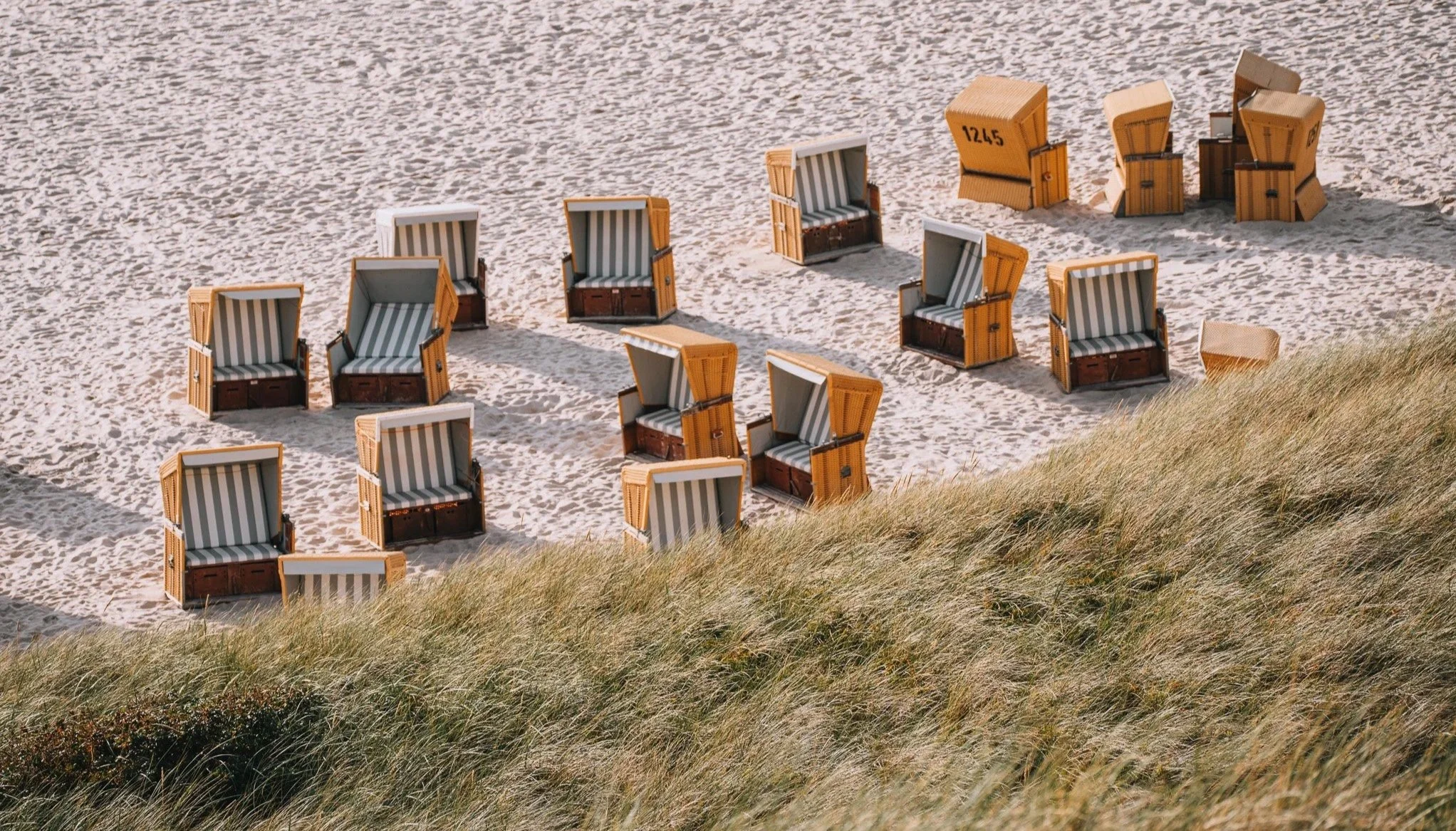
Where to stay on Sylt
Sylt offers a wide range of holiday homes and apartments, which are especially convenient for families or longer stays. In addition, you’ll find many high-end hotels and boutique accommodations across the island.
My favorite places to stay are Kampen, Westerland, and Wenningstedt all centrally located and well connected. Keitum is also a great place to stay but a bit more remote. If you plan on getting around by bike, I wouldn’t recommend this town as the bike path to Westerland is right next to a main road.
List and Hörnum are more remote and quieter, which can be wonderful for nature lovers, but less convenient if you plan to explore the entire island or rely on public transport.
The Towns of Sylt
Westerland
Westerland is Sylt’s main town and transport hub. This is where you’ll arrive by train and where you’ll find the largest selection of shops, cafés, restaurants, and supermarkets. It’s lively, practical, and ideal if you want everything within walking distance.

Where to eat & drink:
Roots Sylt – One of the best breakfast and brunch spots on the island
Café Orth – A classic for coffee and cake after a beach walk
Kaffeerösterei Sylt – Great specialty coffee, perfect for takeaway
Stulle & Meer – Great for breakfast
Wenningstedt
Wenningstedt is a relaxed seaside village just north of Westerland. It’s perfect if you’re looking for a quieter atmosphere while still being close to the action. The beach is beautiful, and the Wenningstedt cliffs are a lovely spot for sunset walks.

Where to eat & drink:
Strandhafer Sylt – Casual, modern dining with regional ingredients
Gosch am Kliff – Classic seafood with stunning sea views
Café Curve – Small, cozy café for coffee and homemade cake
Kampen
Kampen is Sylt’s most iconic and upscale village. Known for luxury boutiques, gourmet restaurants, and elegant beach clubs, it attracts a stylish crowd. The sunsets at Uwe Düne, the highest point on the island, are unforgettable.
Where to eat & drink:
Gogärtchen – One of Kampen’s top dining addresses, refined and intimate
Kupferkanne – A true institution, famous for its terrace and cakes
Manne Pahl – Casual, traditional, and loved by locals
Keitum
Keitum is often considered the most beautiful and traditional village on Sylt. With its thatched-roof houses, quiet streets, and views over the Wadden Sea, it feels calm, elegant, and deeply rooted in the island’s history. Keitum is ideal if you’re looking for a more authentic and peaceful Sylt experience while still being centrally located.


Where to eat & drink:
Kleine Küchenkate – Cozy, traditional Sylt cuisine
Nielsens Kaffeegarten – beautiful café with views over the Wadden See
Restaurant Alt Keitum – Elegant dining in a historic setting
Gode Stuv (Benen-Diken-Hof) – Refined cuisine for a special evening
List
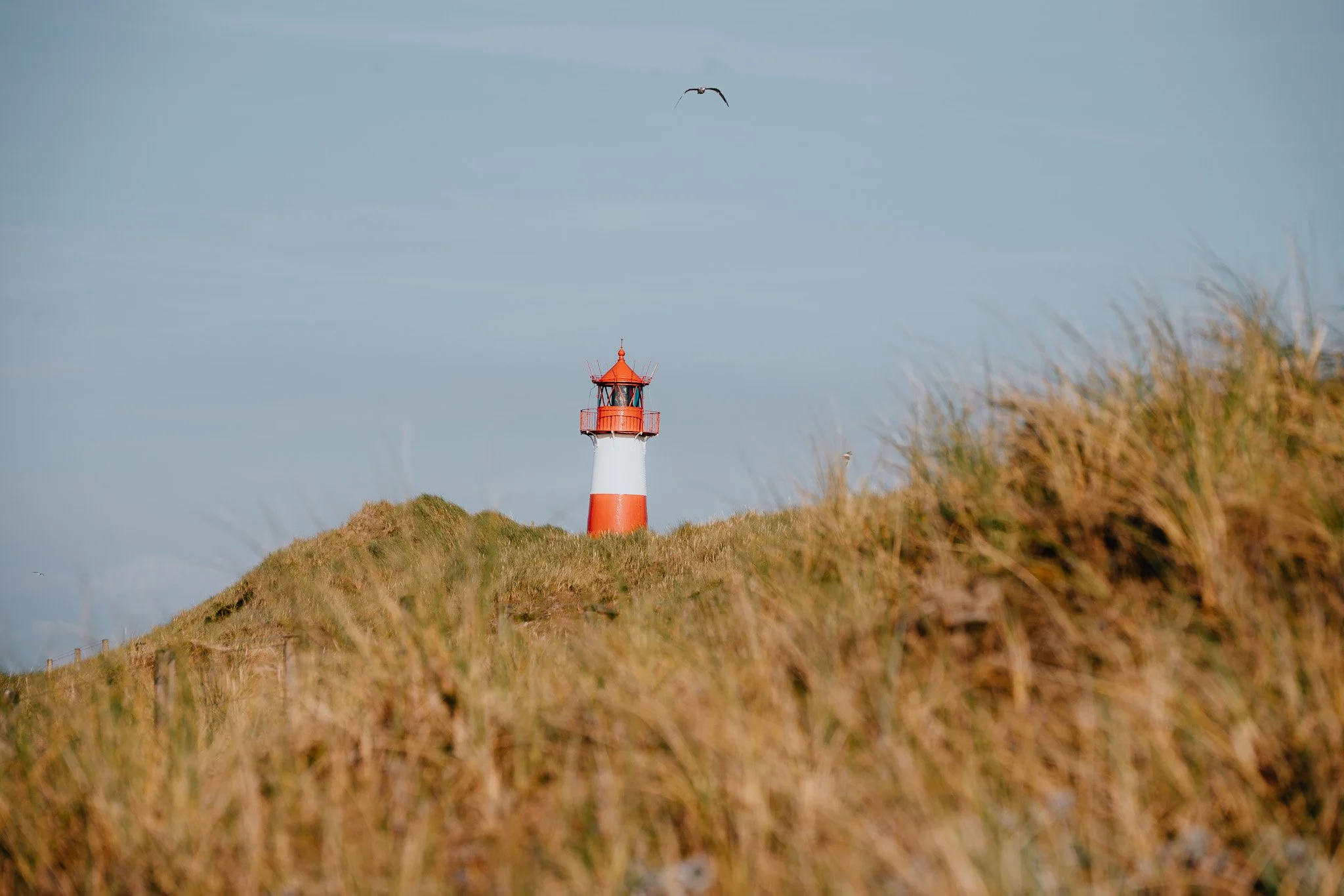
Located at the northern tip of the island, List feels more remote and close to nature. It’s famous for its harbor, fresh seafood, and oyster farms. A great choice if you enjoy long walks, dunes, and a slower pace.
Where to eat & drink:
Lister Austernperle – Oysters, seafood, and harbor views
Gosch List – Casual and reliable for a quick fish dish
Königshafen Café – Coffee and cake with views over the Wadden Sea
Hörnum
Hörnum sits at the southern end of Sylt and is surrounded by the sea on almost all sides. It’s a paradise for nature lovers, with wide beaches, strong winds, and stunning views. Perfect for surfers, hikers, and anyone seeking peace and quiet.
Where to eat & drink:
Sansibar – Sylt’s most iconic restaurant, right on the beach
Landfein (Lund Sylt) – Cozy, modern dining with regional focus
Strandwirtschaft Hörnum – Casual beachside food with sea views
Smaller Villages
Morsum
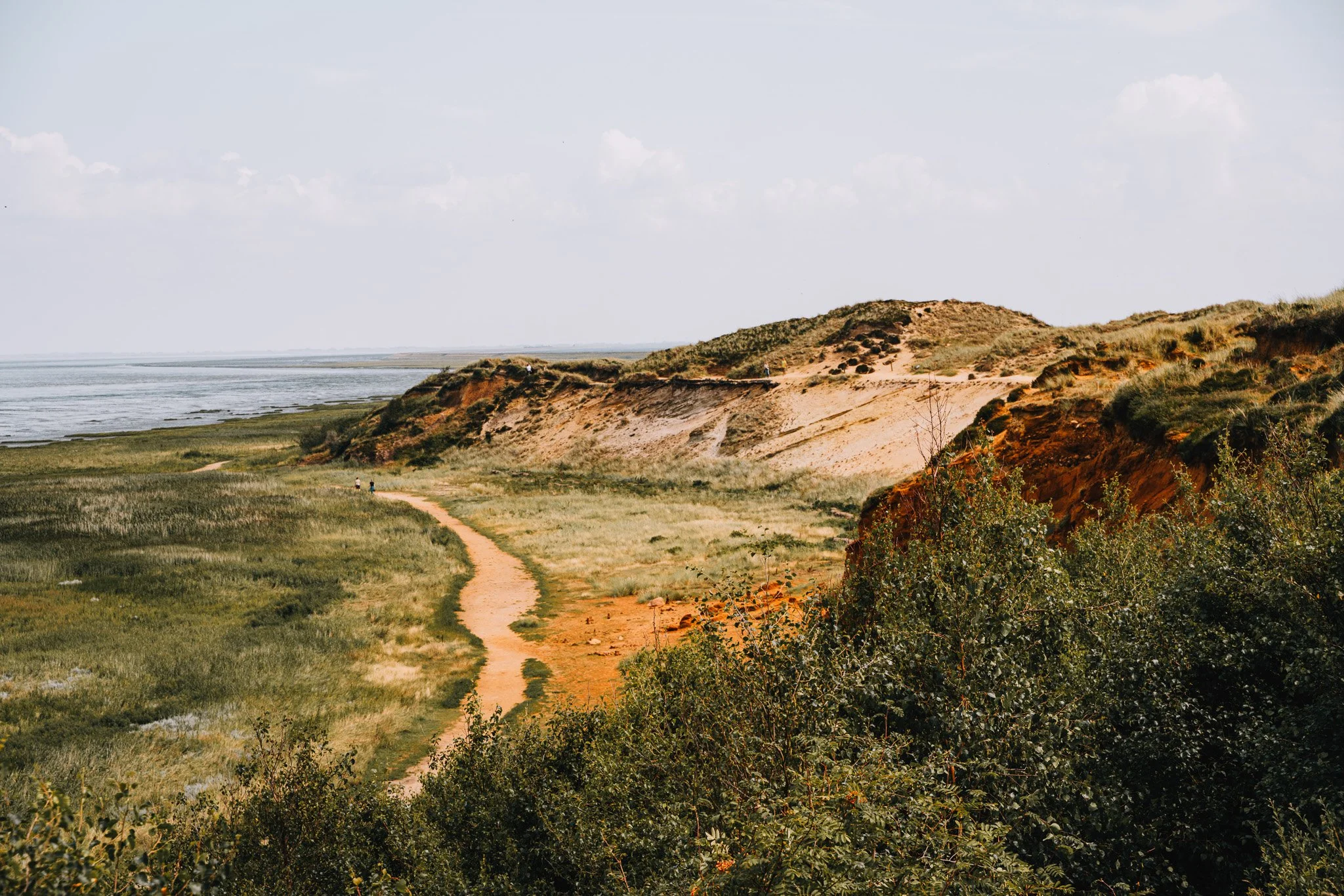
Morsum is located on the eastern side of the island and is known for its red cliffs, open landscapes, and peaceful atmosphere. It’s perfect if you’re looking for a slower, more authentic side of Sylt.
Where to eat & drink:
Restaurant Morsum Kliff – Regional cuisine with views over the Wadden Sea
Landhaus Severin*s – Refined dining with a focus on local ingredients (perfect for a special evening)
Rantum
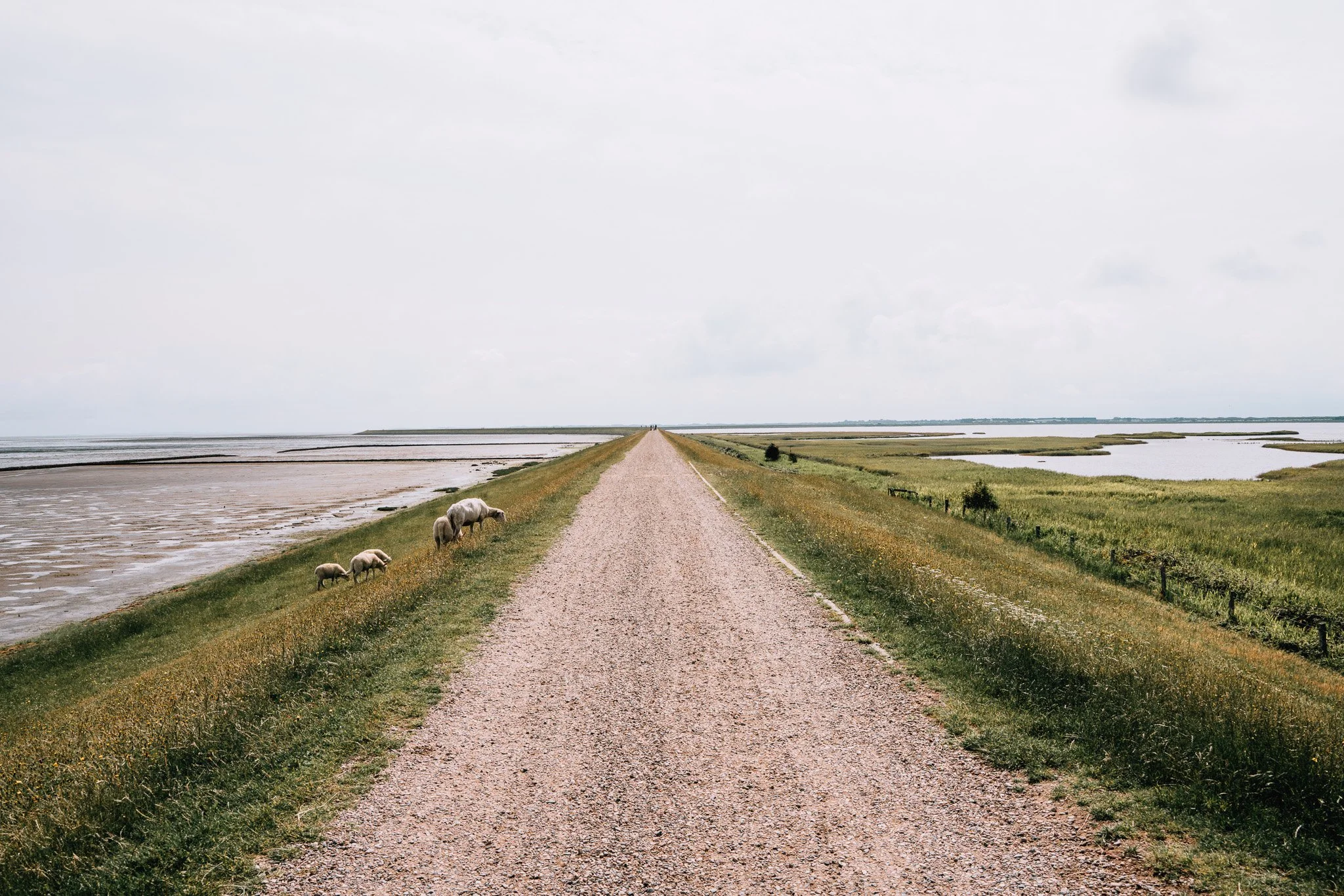
Rantum lies between the North Sea and the Wadden Sea and feels wonderfully untouched. Long beaches, dunes, and some of the island’s most exclusive hotels define this area.
Where to eat & drink:
Söl’ring Hof – One of Germany’s most renowned fine dining restaurants, ideal for an unforgettable evening
Tinnum
Tinnum is one of Sylt’s most central villages and is often overlooked — but its location makes it very convenient, especially if you want quick access to the whole island.
Where to eat & drink:
Hofcafé Tinnum – A lovely café offering homemade cakes and a cozy farm atmosphere
Munkmarsch
Munkmarsch is a small harbor village on the eastern coast, known for sailing, calm waters, and refined dining.
Archsum
Archsum is surrounded by meadows and feels very rural and quiet — perfect if you want to experience Sylt away from the crowds.
